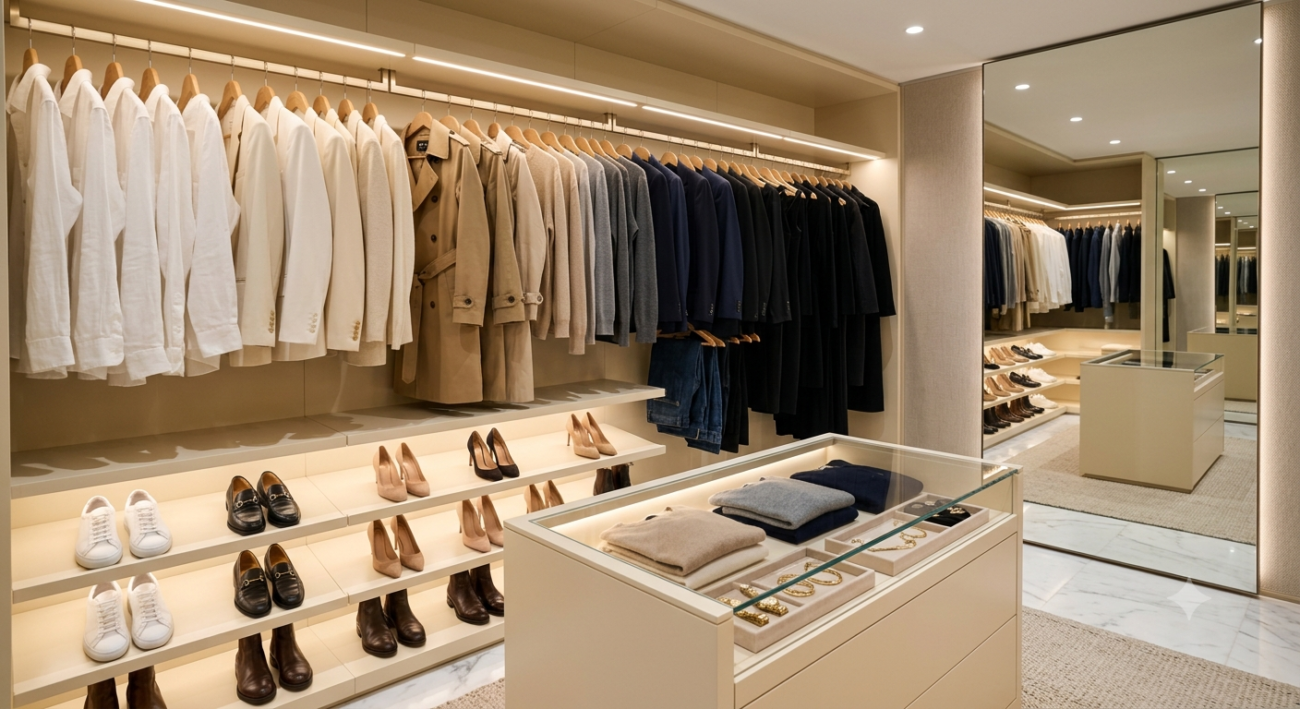
Getting dressed shouldn’t feel like a challenge every morning. A well-planned wardrobe makes everyday life easier. You spend less time deciding what to wear, and you always have something that works.
You don’t need a closet full of clothes to look good. A few timeless pieces can create dozens of outfits for work, weekends, travel, and special occasions.
This guide covers the wardrobe essentials everyone should own. These basics never go out of style and work for almost every age, lifestyle, and budget.
Why Wardrobe Essentials Matter
Fashion trends come and go, but wardrobe basics stay useful year after year.
Building your wardrobe around classic pieces helps you:
- Save money over time
- Create more outfit combinations
- Dress quickly each morning
- Avoid buying clothes you’ll rarely wear
- Build a style that feels natural
Start with quality basics, then add seasonal or trendy items when you want to refresh your look.
1. A Well-Fitted White T-Shirt
A plain white T-shirt is one of the most useful items you can own.
It works with:
- Jeans
- Shorts
- Chinos
- Skirts
- Blazers
- Jackets
Choose one made from comfortable cotton with a fit that suits your body.
A good white T-shirt can be casual or slightly dressed up depending on how you style it.
2. A Black T-Shirt
A black T-shirt offers the same versatility while looking a little more polished.
It’s easy to pair with nearly any color and hides small stains better than white.
Wear it with denim for casual days or layer it under a jacket for a cleaner look.
3. Dark Blue Jeans
A pair of dark blue jeans belongs in every wardrobe.
They work for:
- Casual outings
- Dinner with friends
- Travel
- Casual office settings
Look for jeans that fit comfortably rather than following the latest trend.
Simple, clean denim usually stays stylish much longer.
4. Black or Navy Dress Pants
Everyone needs one pair of dress pants.
They’re useful for:
- Job interviews
- Business meetings
- Formal dinners
- Family celebrations
- Weddings
Neutral colors match almost everything.
5. Comfortable Sneakers
Sneakers aren’t only for the gym anymore.
A clean pair of white, black, or neutral sneakers works with many outfits.
Choose comfort first, especially if you spend long hours walking.
6. Classic Button-Down Shirt
A button-down shirt instantly makes an outfit look more put together.
White, light blue, or soft gray are easy choices.
You can wear it:
- With jeans
- With chinos
- Under a sweater
- With a blazer
Roll up the sleeves for a more relaxed look.
7. A Good Pair of Chinos
Chinos are a great option when jeans feel too casual.
Popular colors include:
- Khaki
- Navy
- Olive
- Gray
They’re comfortable and work well for work or weekends.
8. A Versatile Blazer
A blazer adds structure without looking overly formal.
You can wear it with:
- Jeans
- Dress pants
- Dresses
- T-shirts
- Button-down shirts
Navy and charcoal are easy colors to match.
9. A Comfortable Hoodie or Sweatshirt
Not every day calls for formal clothing.
A quality hoodie or sweatshirt keeps you comfortable during travel, weekends, or cooler weather.
Choose simple designs instead of oversized logos.
10. A Neutral Sweater
A lightweight sweater is useful during spring, autumn, and cool evenings.
Neutral colors like beige, gray, navy, or black match almost everything.
Layer it over a T-shirt or button-down shirt.
11. A Reliable Jacket
Every wardrobe needs an everyday jacket.
Good choices include:
- Denim jacket
- Bomber jacket
- Lightweight utility jacket
- Leather jacket
- Casual field jacket
Pick one that matches your climate and personal style.
12. A Formal Outfit
Even if you rarely attend formal events, it’s helpful to have one complete outfit ready.
For many people, this could include:
- Suit or blazer with trousers
- Dress shirt
- Dress shoes
- Belt
- Tie if needed
Having these items ready saves last-minute shopping.
13. Comfortable Everyday Shoes
Besides sneakers, own another pair of shoes suitable for work or special occasions.
Examples include:
- Loafers
- Leather shoes
- Chelsea boots
- Ballet flats
- Simple ankle boots
Choose quality over quantity.
14. Everyday Accessories
Accessories complete an outfit without much effort.
Useful items include:
- Watch
- Sunglasses
- Leather belt
- Wallet
- Simple jewelry
- Scarf during colder months
Keep accessories clean and in good condition.
15. Quality Socks and Undergarments
These basics often get overlooked.
Replace worn-out items regularly.
Comfort makes a bigger difference than many people realize.
16. A Durable Everyday Bag
A practical bag keeps your essentials organized.
Depending on your lifestyle, this could be:
- Backpack
- Tote bag
- Messenger bag
- Crossbody bag
Choose something that fits your daily routine.
17. Activewear
Even if you don’t exercise every day, comfortable workout clothes are useful.
Include:
- Athletic T-shirts
- Workout shorts or leggings
- Training shoes
- Lightweight jacket
These also work well for travel or relaxing at home.
18. Seasonal Outerwear
Weather changes throughout the year.
Depending on where you live, you may need:
- Winter coat
- Rain jacket
- Windbreaker
- Puffer jacket
Choose something practical before focusing on fashion.
Wardrobe Essentials Checklist
| Clothing Item | Why You Need It |
|---|---|
| White T-shirt | Everyday layering |
| Black T-shirt | Easy casual styling |
| Dark blue jeans | Daily wear |
| Dress pants | Formal occasions |
| Button-down shirt | Smart casual outfits |
| Chinos | Comfortable alternative to jeans |
| Blazer | Dress up simple outfits |
| Hoodie | Casual comfort |
| Sweater | Cooler weather |
| Jacket | Everyday outerwear |
| Sneakers | Daily walking |
| Dress shoes | Formal events |
| Everyday bag | Carry essentials |
| Accessories | Complete outfits |
| Activewear | Exercise and comfort |
| Seasonal coat | Weather protection |
Tips for Building a Better Wardrobe
You don’t need to replace everything at once.
Start with the pieces you wear most often.
When shopping:
- Buy clothes that fit well.
- Choose neutral colors first.
- Focus on comfort.
- Pick quality fabrics when possible.
- Avoid buying something just because it’s on sale.
- Think about how many outfits you can create with each item.
A smaller wardrobe filled with useful clothing is often better than a large closet full of items you rarely wear.
Common Wardrobe Mistakes
Many people fill their closets with clothes they don’t actually wear.
Some common mistakes include:
- Buying trendy items that go out of style quickly
- Choosing the wrong size
- Ignoring comfort
- Buying duplicate items you don’t need
- Keeping damaged clothes for years
- Forgetting to organize the closet
Review your wardrobe every few months and donate pieces you no longer wear.
How to Make Your Clothes Last Longer
Taking care of your clothing helps you save money.
Simple habits include:
- Read the care labels.
- Wash clothes only when needed.
- Use the right water temperature.
- Fold knitwear instead of hanging it.
- Store shoes properly.
- Repair small tears before they get worse.
Good care can add years to the life of your favorite clothing.
Final Thoughts
A good wardrobe isn’t about owning more clothes. It’s about owning the right ones. Start with timeless basics that fit well and feel comfortable. Choose pieces you can wear in different ways and across different seasons. Over time, you’ll spend less time deciding what to wear, save money on unnecessary purchases, and build a personal style that feels effortless. The best wardrobe is one that works for your everyday life, not just for special occasions.
Frequently Asked Questions
How many wardrobe essentials do I really need?
Most people can build a strong wardrobe with around 20 to 30 versatile pieces. The exact number depends on your lifestyle, climate, and work requirements.
Should I buy expensive clothing?
Not always. Focus on quality rather than price. A well-made basic item often lasts longer than several cheaper alternatives.
What colors work best for wardrobe basics?
Neutral colors such as black, white, gray, navy, beige, and olive are easy to mix and match. They also stay in style for years.
How often should I update my wardrobe?
There’s no fixed schedule. Replace items when they become worn out or no longer fit well. Add new pieces only when they fill a genuine gap in your wardrobe.
Can a small wardrobe still look stylish?
Yes. A smaller collection of well-fitting, versatile clothes often creates more outfit options than a large collection of random pieces.
