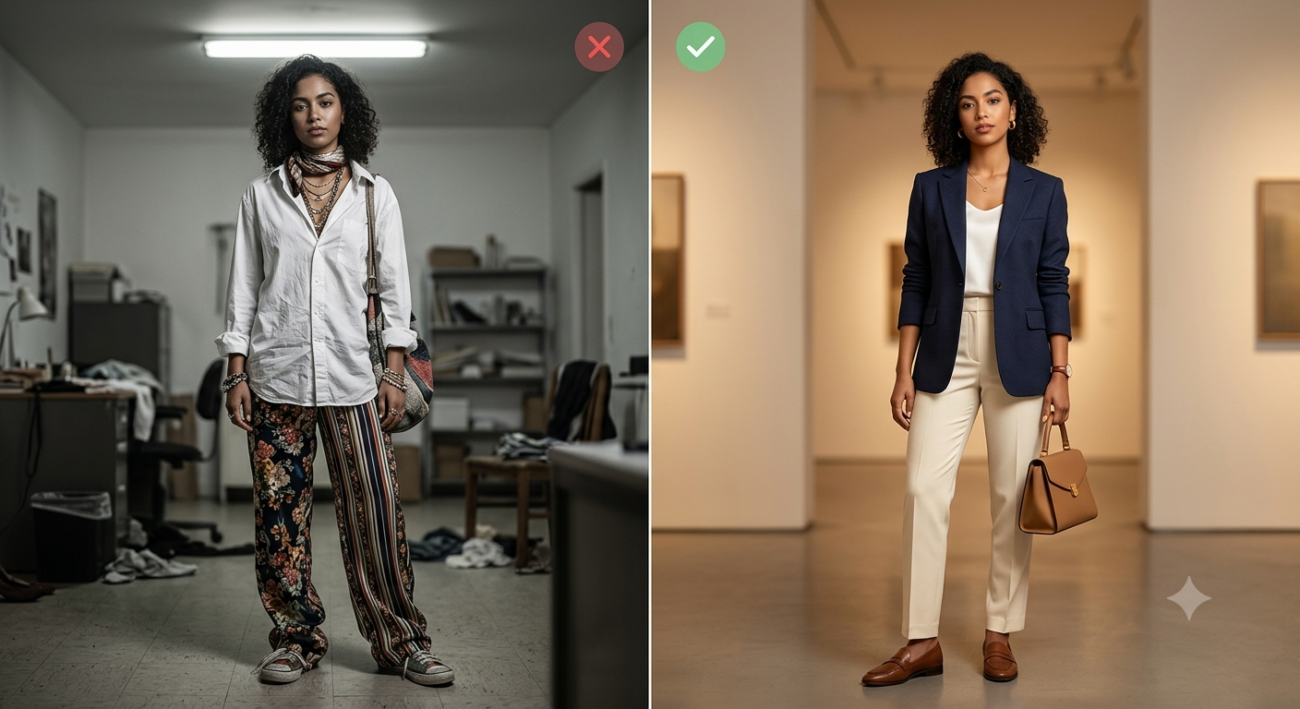
Looking stylish doesn’t mean following every new trend or buying expensive clothes. In most cases, it’s about wearing clothes that fit well, match your lifestyle, and make you feel comfortable.
Everyone makes fashion mistakes from time to time. The good news is that most of them are easy to fix. Small changes can improve your overall look without changing your personal style.
This guide covers common fashion mistakes and practical ways to avoid them.
Why Style Matters
Your clothes are often the first thing people notice. They don’t define who you are, but they can influence first impressions.
Dressing well can help you:
- Feel more confident
- Look put together
- Save time getting ready
- Make better use of your wardrobe
The goal isn’t to dress perfectly. It’s to wear clothes that suit you.
1. Wearing Clothes That Don’t Fit
Poor fit is one of the biggest fashion mistakes.
Clothes that are too tight can feel uncomfortable. Clothes that are too loose may look untidy.
How to Avoid It
- Try clothes on before buying when possible.
- Know your measurements.
- Don’t rely only on the size label.
- Consider simple tailoring for important pieces.
Good fit makes even simple clothing look better.
2. Buying Trends Instead of Basics
Trendy clothing can be fun, but trends change quickly.
If your wardrobe is built only around trends, you’ll probably feel like you have nothing to wear a few months later.
How to Avoid It
Build your wardrobe around timeless basics first.
Examples include:
- Plain T-shirts
- Dark jeans
- White button-down shirts
- Neutral sweaters
- Simple sneakers
- Classic jackets
Then add a few trend-based pieces if you enjoy experimenting.
3. Ignoring Color Coordination
Some outfits feel unbalanced because the colors don’t work well together.
You don’t need to know advanced color theory.
How to Avoid It
Start with neutral colors such as:
- Black
- White
- Gray
- Navy
- Beige
- Olive
Then add one brighter color if you want more personality.
Simple combinations usually look cleaner.
4. Wearing Worn-Out Clothing
Even your favorite clothes eventually show signs of wear.
Faded fabric, stretched collars, holes, or broken zippers can make an outfit look neglected.
How to Avoid It
Check your wardrobe every few months.
Replace items that are:
- Torn
- Permanently stained
- Misshapen
- Worn beyond repair
Keeping fewer clothes in better condition often looks better than owning many worn-out pieces.
5. Wearing the Wrong Shoes
Shoes can change the feel of an entire outfit.
Old running shoes don’t always work with smart casual clothing.
How to Avoid It
Keep a few different options:
- Casual sneakers
- Dress shoes or loafers
- Boots
- Sandals for warm weather
Clean shoes also make a noticeable difference.
6. Forgetting About Grooming
Good style isn’t only about clothing.
Wrinkled clothes, messy hair, or poor hygiene can distract from an otherwise good outfit.
How to Avoid It
Simple habits matter:
- Iron clothes when needed.
- Keep shoes clean.
- Trim nails.
- Maintain your hairstyle.
- Wear clean clothing.
These small details often make the biggest difference.
7. Wearing Too Many Accessories
Accessories should complement your outfit, not compete with it.
Large watches, multiple necklaces, oversized belts, and bold sunglasses together can feel overwhelming.
How to Avoid It
Choose a few accessories instead of wearing everything at once.
For most outfits, less is often more.
8. Ignoring the Occasion
Every setting has its own dress expectations.
Clothes that work at the beach may not suit a business meeting.
How to Avoid It
Think about where you’re going.
Ask yourself:
- Is this casual?
- Is it business?
- Is it formal?
- Will I be comfortable?
Dressing appropriately shows respect for the occasion.
9. Buying Clothes Just Because They’re Cheap
Sales can be tempting.
But buying clothes you’ll never wear isn’t really saving money.
How to Avoid It
Before buying, ask:
- Will I wear this often?
- Does it match what I already own?
- Is it comfortable?
- Does it fit well?
If the answer is no, leave it.
10. Wearing Clothes That Don’t Match Your Lifestyle
Some people fill their closets with formal clothing even though they mostly wear casual outfits.
Others buy workout clothes they rarely use.
How to Avoid It
Build your wardrobe around your actual daily routine.
If you work from home, comfortable basics may be more useful than multiple business suits.
11. Ignoring Fabric Quality
Fabric affects comfort, appearance, and durability.
Poor-quality materials often lose their shape after a few washes.
How to Avoid It
Look for fabrics such as:
- Cotton
- Linen
- Wool
- Quality denim
You don’t need luxury brands. Just pay attention to how the clothing feels.
12. Keeping Clothes You Never Wear
Many wardrobes are full of “just in case” clothing.
These pieces take up space and make it harder to find what you actually wear.
How to Avoid It
If you haven’t worn something in over a year, consider donating or selling it.
Keep clothes that fit your current lifestyle.
13. Wearing Clothes Without Confidence
Even a great outfit won’t feel right if you’re uncomfortable wearing it.
Confidence comes from feeling like yourself.
How to Avoid It
Choose clothing that fits well and matches your personality.
Don’t wear something only because it’s popular.
Personal comfort matters.
14. Forgetting Seasonal Clothing
Heavy jackets in summer or thin clothing during winter aren’t practical.
How to Avoid It
Organize your wardrobe by season.
Store off-season clothing separately to keep your closet tidy.
15. Not Taking Care of Your Clothes
Good clothing lasts longer when cared for properly.
How to Avoid It
- Follow washing instructions.
- Store clothes neatly.
- Repair loose buttons.
- Fold knitwear.
- Use proper hangers.
Taking care of your wardrobe helps protect your investment.
Fashion Mistakes and Simple Fixes
| Fashion Mistake | Easy Solution |
|---|---|
| Poor fit | Choose the correct size or tailor it |
| Too many trends | Focus on classic basics |
| Bad color combinations | Start with neutral colors |
| Worn-out clothing | Replace damaged items |
| Wrong shoes | Match shoes to the occasion |
| Too many accessories | Keep accessories simple |
| Ignoring grooming | Maintain clean clothes and personal care |
| Buying cheap impulse items | Shop with a plan |
| Keeping unused clothes | Declutter regularly |
| Poor clothing care | Wash and store clothes properly |
Tips for Building Better Style
Looking better doesn’t require a complete wardrobe makeover.
Start with these habits:
- Buy fewer, better-quality pieces.
- Choose clothes that fit properly.
- Stick with colors that work together.
- Keep your shoes clean.
- Organize your wardrobe.
- Wear clothes that suit your lifestyle.
- Replace worn-out basics before buying new trends.
Small improvements add up over time.
Final Thoughts
Good style isn’t about perfection or wearing designer labels. It’s about making smart choices that fit your life. Start with clothes that fit well, take care of what you own, and focus on timeless pieces before chasing trends. Fashion should make getting dressed easier, not more stressful. When your wardrobe works for you, you’ll spend less time worrying about what to wear and more time enjoying your day.
Common Questions About Fashion
What is the biggest fashion mistake people make?
Wearing clothes that don’t fit properly is one of the most common mistakes. Good fit improves almost any outfit.
How can I improve my style without spending much money?
Start by organizing your wardrobe, replacing worn-out basics, and learning to combine the clothes you already own in different ways.
Should I follow every fashion trend?
No. Trends can be fun, but timeless clothing usually offers better value and stays useful for years.
How often should I clean out my wardrobe?
Review your wardrobe every six to twelve months. Donate or recycle clothing you no longer wear or that no longer fits.
Does expensive clothing always look better?
Not necessarily. A well-fitting, well-maintained outfit often looks better than expensive clothing that doesn’t fit properly.
